
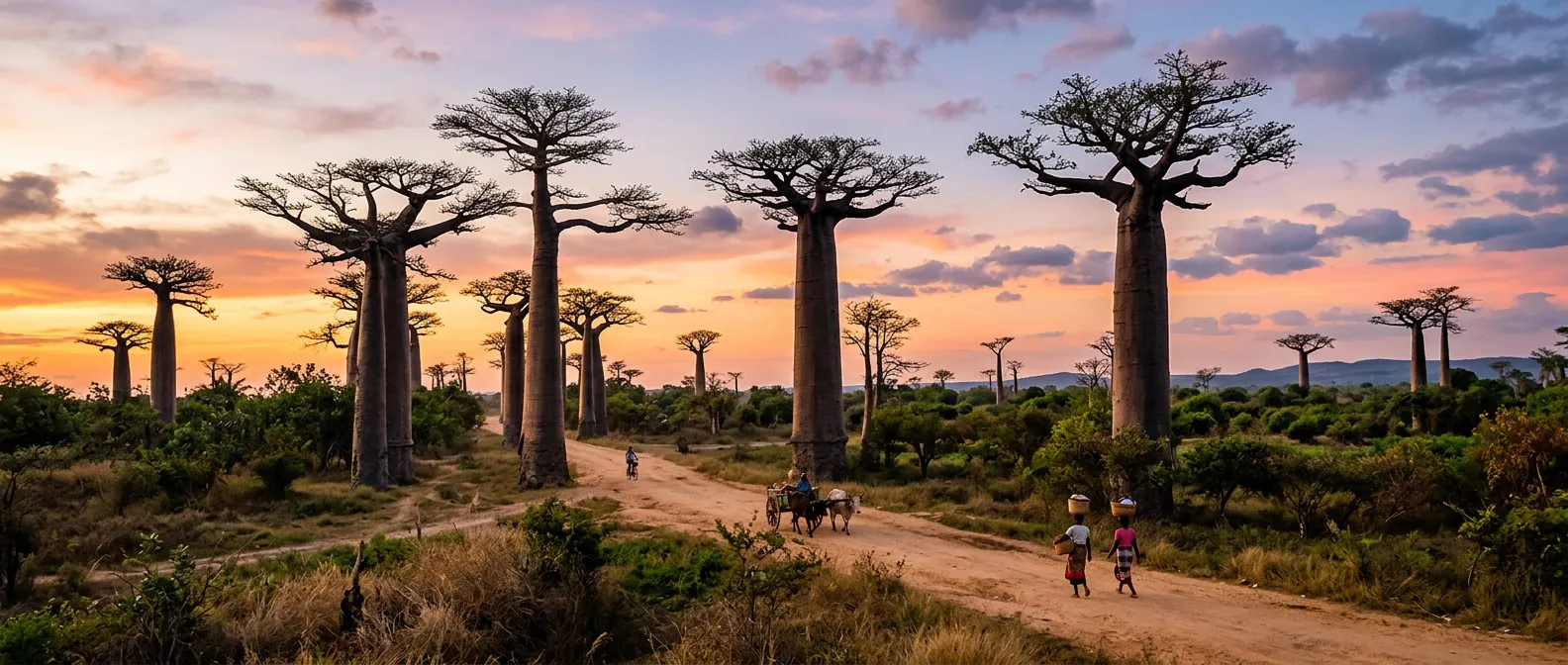
Madagascar is currently rated Level 2 – Exercise Increased Caution by the U.S. Department of State (updated December 2025). The advisory cites crime, civil unrest, and health risks. Most visits are trouble-free when travelers follow basic precautions, stay aware of their surroundings, and avoid known high-risk areas.
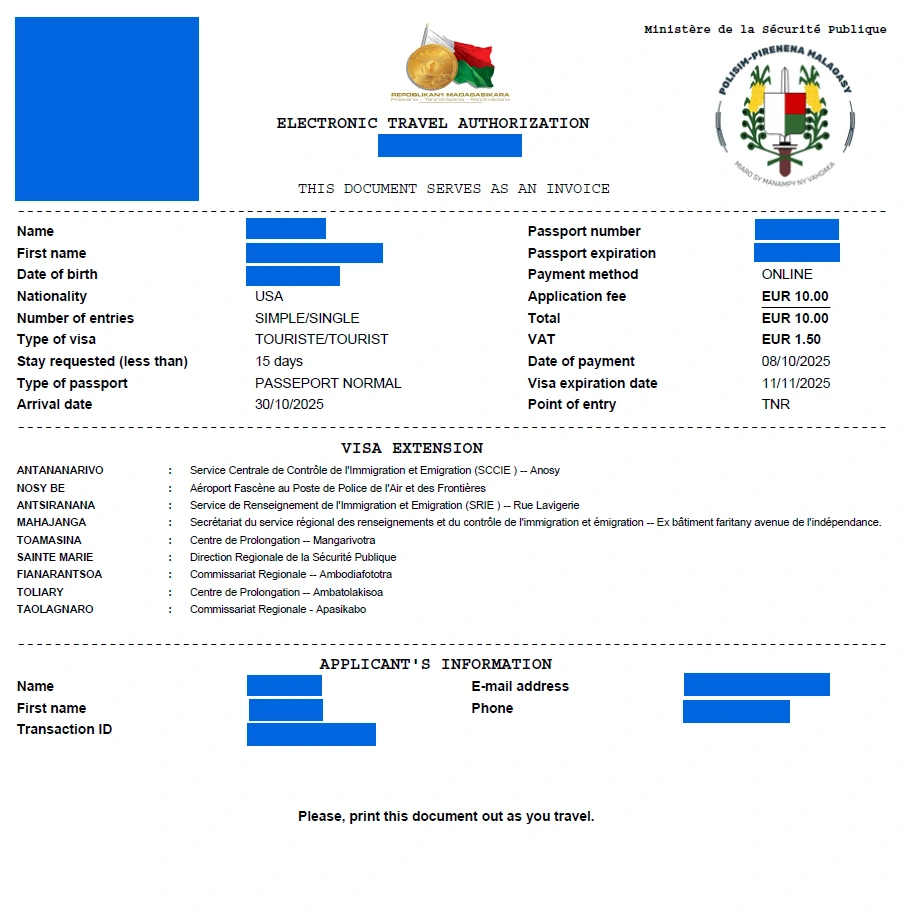
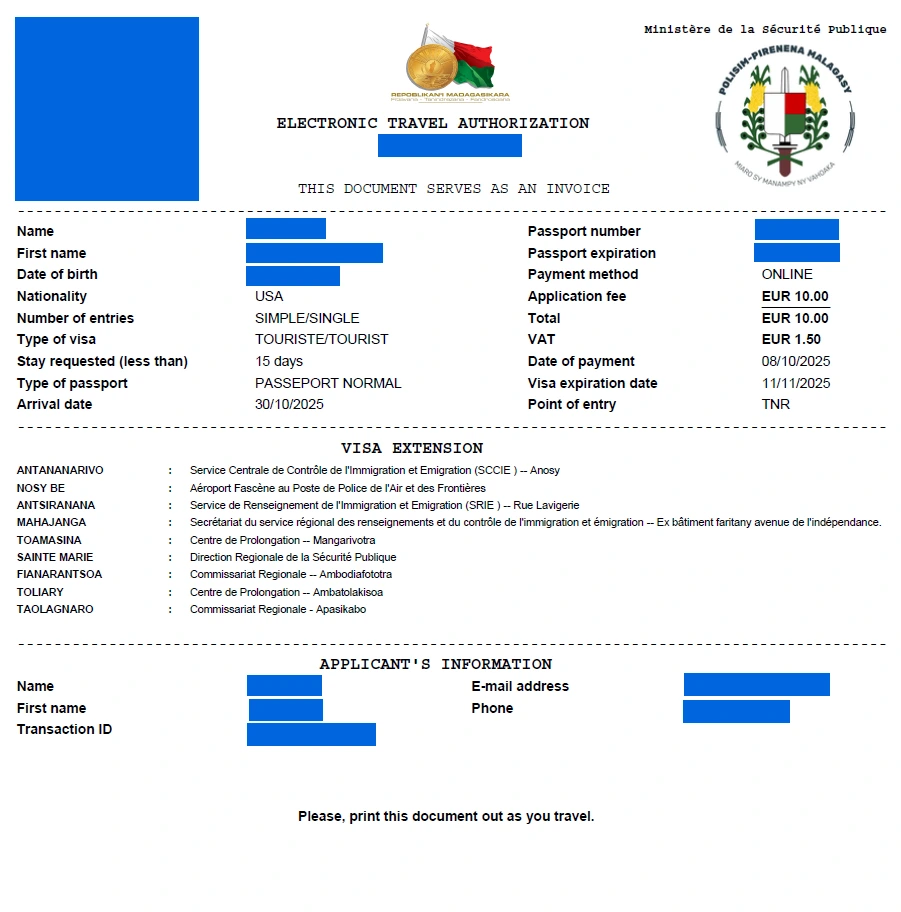
This guide covers the latest travel advisory ratings, safety concerns by category, regional risk levels, and practical tips to help you stay safe on your trip.
Current Travel Advisory Ratings by Country
Several governments issue travel advisories for Madagascar. Ratings vary slightly, but all recommend heightened awareness rather than avoiding travel altogether.
| Country | Advisory Level | Last Updated | Key Concerns |
|---|---|---|---|
| United States | Level 2 – Exercise Increased Caution | December 2025 | Crime, unrest, health |
| United Kingdom | Advise normal precautions with heightened awareness | 2026 | Health risks, crime |
| Australia | Exercise a high degree of caution (Yellow) | February 2026 | Crime, civil unrest |
| Canada | Exercise a high degree of caution | 2025 | Violent crime, kidnapping |
In December 2025, the U.S. lowered Madagascar from Level 3 (“Reconsider Travel”) to Level 2, reflecting improved stability after a period of political unrest. This positive shift means Madagascar is considered a viable destination, though travelers should remain vigilant.
Before you book, make sure your visa requirements are in order. A valid visa is mandatory for entry.
Crime Risks in Madagascar
Crime is the primary safety concern flagged by all major governments. Petty crime is the most common issue tourists face, though violent crime does occur in certain areas.
Petty Crime
Petty theft is widespread, especially in cities and tourist hotspots:
- Bag-snatching on streets, particularly in Antananarivo
- Pickpocketing in markets, bus stations, and crowded areas
- Hotel room theft when valuables are left in plain sight
- Car break-ins when items are visible inside parked vehicles
Violent Crime
Violent crime, while less common for tourists, does occur:
- Armed robberies, particularly at night and in isolated areas
- Home invasions targeting foreigners in residential areas
- Carjacking incidents on rural roads, especially after dark
- Banditry (dahalo) on some national roads in the south and west
Safety Tips for Crime Prevention
- Avoid walking alone after dark, especially in Antananarivo
- Use hotel safes for passports, cash, and electronics
- Hire a local guide or driver for rural travel
- Keep car windows up and doors locked while driving
- Do not display expensive jewelry, cameras, or phones openly
- Use registered taxis rather than informal transport
Health Risks and Medical Concerns
Health advisories are a significant component of every government’s travel guidance for Madagascar. The country has limited medical infrastructure, and several diseases pose risks to travelers.
Vaccinations and Preventive Measures
| Vaccine/Disease | Risk Level | Notes |
|---|---|---|
| Yellow Fever | Certificate required | Mandatory if transiting through an endemic country |
| Malaria | High | Year-round risk; antimalarial medication strongly recommended |
| Typhoid | Moderate | Recommended for most travelers |
| Hepatitis A | Moderate | Recommended for all visitors |
| Rabies | Moderate | Consider if visiting rural areas or working with animals |
| Plague | Low-Seasonal | Outbreaks occur; risk to tourists on standard itineraries is low |
Water and Food Safety
- Do not drink tap water – use bottled or purified water only
- Avoid ice in drinks unless confirmed made from purified water
- Eat thoroughly cooked food from reputable establishments
- Wash hands frequently, especially before meals
Medical Infrastructure
Medical facilities in Madagascar are basic, especially outside Antananarivo. Serious medical emergencies may require evacuation to Reunion Island, Mauritius, or South Africa. Comprehensive travel insurance with medical evacuation coverage is essential.
Check Madagascar visa requirements before your trip, as some health documentation may be requested at immigration.
Regional Safety Guide
Safety conditions vary significantly across Madagascar. Some regions are well-policed and tourist-friendly, while others carry elevated risks.
| Region | Risk Level | Notes |
|---|---|---|
| Antananarivo (capital) | Moderate | Petty crime common; avoid some neighborhoods at night |
| Nosy Be and northern islands | Low-Moderate | Tourist infrastructure; occasional theft |
| Andasibe-Mantadia | Low | Popular national park area; generally safe |
| RN7 corridor (Toliara to Antananarivo) | Moderate | Main tourist route; banditry reported on some stretches |
| Southern regions (Toliara, Fort Dauphin) | Moderate-High | Higher crime rates; dahalo (bandit) activity |
| Western regions (Mahajanga, Morondava) | Moderate | Some areas have elevated crime |
| Eastern coast (Toamasina) | Moderate | Petty crime; limited infrastructure |
Areas to Avoid or Exercise Extra Caution
- Remote areas of the south and southwest after dark
- Unlit streets in any city at night
- Political demonstration sites and large gatherings
- Areas near the Mozambique Channel (piracy risk in surrounding waters)
If you plan to travel to multiple regions, make sure your visa duration covers your entire itinerary. Extensions are available if needed through a visa extension.
Civil Unrest and Political Stability
Madagascar has a history of political instability, with major crises in 2002, 2009, and periodic unrest since. The current advisory was raised to Level 3 during 2024-2025 due to protests and political tensions, but was lowered back to Level 2 in December 2025.
Current Situation
- Political environment has stabilized following the 2023 elections
- Sporadic protests and strikes (known as “tompon’tany” actions) still occur
- Road blockades during strikes can disrupt travel plans
- Avoid all demonstrations and large public gatherings
How to Stay Informed
- Monitor local news and the U.S. Embassy website (mg.usembassy.gov)
- Register with your country’s embassy (e.g., STEP program for U.S. citizens)
- Follow travel forums and recent trip reports for on-the-ground updates
- Check for updates before departure – advisories can change quickly
Safety for Different Types of Travelers
Solo Travelers
Madagascar is increasingly popular with solo travelers, but extra vigilance is required:
- Stay in well-reviewed guesthouses and hotels
- Share your itinerary with someone at home
- Use organized tours for remote destinations
- Avoid isolated areas, especially at night
Solo Female Travelers
Female travelers should take additional precautions:
- Dress modestly, especially in rural and conservative areas
- Avoid walking alone after dark
- Use hotel-arranged transport when possible
- Be aware that unwanted attention and harassment can occur
Families with Children
Madagascar can be a rewarding family destination with proper planning:
- Choose family-friendly accommodations with good security
- Ensure children are up to date on all vaccinations
- Carry a well-stocked first-aid kit
- Plan shorter travel days – road conditions are poor
LGBTQ+ Travelers
Madagascar does not recognize same-sex relationships. While there is no specific law criminalizing same-sex activity for women, male same-sex activity is illegal. Discretion is strongly advised.
Natural Disasters and Environmental Risks
Madagascar faces several natural hazards that travelers should be aware of:
| Hazard | Season | Risk Level |
|---|---|---|
| Cyclones | November – April | High (east coast and northern regions) |
| Flooding | January – March | Moderate-High |
| Drought | May – October | Low (affects infrastructure, not safety) |
| Earthquakes | Year-round | Low |
Cyclone Season Precautions
- Avoid travel to the east coast during peak cyclone season (January-March)
- Monitor weather forecasts from Meteo Madagascar
- Have an emergency plan and know your evacuation routes
- Travel insurance should cover natural disaster disruptions
Essential Travel Insurance and Emergency Contacts
Travel insurance is not just recommended for Madagascar – it is a practical necessity given the limited medical infrastructure.
What Your Insurance Should Cover
- Medical treatment and hospitalization
- Emergency medical evacuation (to Reunion, Mauritius, or South Africa)
- Trip cancellation and interruption
- Lost or stolen belongings
- Adventure activities if you plan to hike, dive, or explore
Emergency Contacts
| Service | Contact |
|---|---|
| Police (general) | 117 |
| Fire | 118 |
| Ambulance | 124 |
| U.S. Embassy Antananarivo | +261 20 23 480 00 |
| British Embassy Antananarivo | +261 20 22 330 53 |
| Australian Consular | +61 2 6261 3305 |
Keep digital and physical copies of your passport, visa, insurance documents, and emergency contacts at all times. If your passport is lost or stolen, contact your embassy immediately – you will also need to re-apply for your eVisa with a new passport.
Frequently Asked Questions
Is Madagascar safe for tourists in 2026?
Yes, Madagascar is generally safe for tourists who take standard precautions. The U.S. rates it Level 2 (Exercise Increased Caution), which is the same level as popular destinations like the UK, France, and Germany. Petty crime is the main concern – violent crime against tourists is relatively rare.
What is the biggest safety risk in Madagascar?
Petty crime, especially bag-snatching and pickpocketing in cities, is the most common risk. Health risks from malaria and limited medical infrastructure are also significant concerns. With proper preparation, both are manageable.
Do I need travel insurance for Madagascar?
Absolutely. Medical facilities are basic outside the capital, and serious emergencies may require evacuation to neighboring islands or South Africa. Comprehensive travel insurance with medical evacuation coverage is essential.
Is Antananarivo safe for tourists?
Antananarivo is safe during the day in main areas, but petty crime increases after dark. Avoid walking alone at night, use registered taxis, and stay in well-known hotel districts. The Analakely and Isoraka areas are generally safe for tourists during daytime.
Is Madagascar safe for solo female travelers?
Many solo women travel Madagascar without incident, but extra precautions are necessary. Dress conservatively, avoid walking alone after dark, use organized tours for remote areas, and stay in well-reviewed accommodations.
Are the roads safe in Madagascar?
Road conditions are poor throughout the country. Many national roads are unpaved, poorly maintained, and lack lighting. Night driving is strongly discouraged due to banditry risk and road hazards. Hiring a local driver is the safest option.
What vaccinations do I need for Madagascar?
Yellow fever vaccination certificate is required if transiting through an endemic country. Recommended vaccines include malaria prophylaxis, typhoid, hepatitis A, and rabies (for rural travel). Consult a travel health clinic 6-8 weeks before departure.
Can I drink the tap water in Madagascar?
No. Tap water is not safe to drink. Use only bottled or purified water, and avoid ice unless you confirm it was made from purified water. Waterborne illnesses are common.
Is it safe to travel to Madagascar during cyclone season?
The east coast and northern regions face significant cyclone risk from November to April, peaking in January-March. If traveling during this period, monitor weather closely, consider western and southern routes, and ensure your insurance covers weather disruptions.
Has the Madagascar travel advisory changed recently?
Yes. The U.S. lowered Madagascar from Level 3 (“Reconsider Travel”) to Level 2 (“Exercise Increased Caution”) in December 2025, reflecting improved political stability. This makes Madagascar a more accessible destination, though continued vigilance is advised.